

Toy Vocabulary Learn, Recognise & Create
1. Description
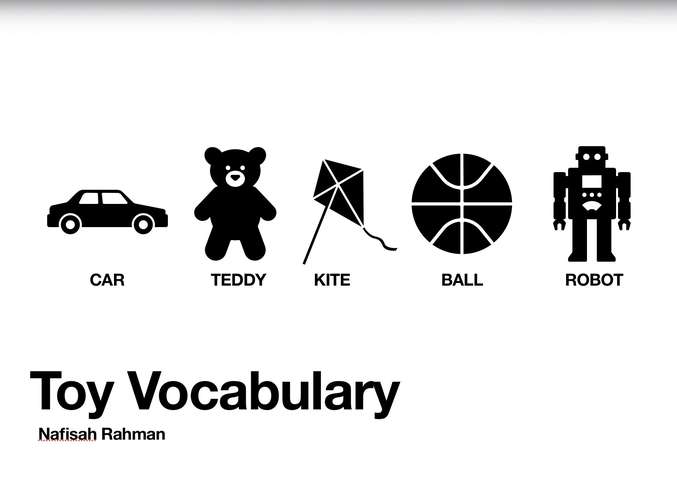
“Toy Vocabulary” is a fun and creative English learning activity designed for Year 1 pupils. Using Apple Pages, pupils explore different types of toys through pictures, vocabulary recognition and simple language activities.
This activity encourages pupils to develop their English vocabulary, reading skills, creativity and digital literacy through engaging visual learning experiences.
2. Subject: English Language
3. Level: Primary School - Year 1 (Level 1)
4. Theme: World of Self, Family and Friends
5. Topic: Unit 2: Let’s Play! -Toy Vocabulary
6. Focus Areas
- Toy vocabulary development
- Word recognition and pronunciation
- Reading and speaking skills
- Visual learning
- Creativity and digital literacy
- Interactive learning using Apple Pages
7. Cross-Curricular Elements
- Language: Learning and using English vocabulary related to toys.
- ICT: Exploring digital learning materials using Apple Pages.
- Creativity and Innovation: Creating and completing digital vocabulary activities.
- Values: Appreciating personal belongings and sharing toys with others.
- Critical Thinking: Recognising and matching pictures with the correct vocabulary.
8. Learning Objectives
By the end of the lesson, pupils will be able to:
- Identify: Identify at least eight toys correctly using pictures.
- Match: Match at least six toy pictures with their correct English words.
- Create: Complete a digital toy vocabulary activity using Apple Pages and describe at least three toys using simple English sentences.
9. Learning Flow
Activity 1: Look & Learn -Explore Toy Vocabulary
Apple Pages
- Pupils explore pictures of different toys.
- Pupils listen to the teacher and repeat the vocabulary.
- Pupils identify and name the toys using simple English words.
Examples:
- “This is a teddy bear.”
- “This is a ball.”
- “This is a toy car.”
Activity 2: Match & Recognise -Vocabulary Challenge
Apple Pages
- Pupils observe pictures of different toys.
- Pupils match toy pictures with the correct words.
- Pupils practise reading and spelling toy vocabulary.
- Pupils complete simple vocabulary activities independently or with guidance.
Activity 3: My Toy Vocabulary -Create & Describe
Apple Pages
- Pupils select their favourite toys.
- Pupils use pictures, shapes and text to create a simple digital vocabulary page.
- Pupils label their chosen toys with the correct English words.
- Pupils describe their toys using simple English sentences.
Examples:
- “This is my robot.”
- “It is blue.”
- “I like my robot.”
Classroom-Based Assessment (PBD)
Assessment is conducted through teacher observation, vocabulary identification, picture-word matching, oral responses and pupils’ completed digital activities.
10. Conclusion
“Toy Vocabulary” transforms basic English vocabulary learning into an engaging and creative digital experience.
By integrating Apple Pages, pupils develop their vocabulary, reading confidence, creativity and digital literacy through visual exploration and interactive activities.
This activity encourages young learners to become confident, independent and creative while learning English in a fun and meaningful way.
Little learners, big words, endless imagination!
Keep exploring, keep creating, keep learning!
TEACHER FIE






Attach up to 5 files which will be available for other members to download.