


In my Grade 9 Filipino class, I believe that learning language and literature should not be centered only on reading and writing. It is also important to give students opportunities to use Filipino as a language for creativity, communication, collaboration, and social awareness.
One of the meaningful activities conducted in our class was NINEtablado: Mga Kuwentong Panlipunan. It is a Project-Based Learning (PBL) activity where students conceptualized, wrote, rehearsed, and performed short plays that discussed various social issues. This activity integrated Filipino, Social Science, and CLE (Christian Life Education) to help students clearly show the connection between language, society, values, and moral responsibility.
The Instagram Account of NINEtablado 2025
The goal of this project is to develop students' skills in scriptwriting, creative performance, analysis of social issues, collaboration, and expressing their own perspectives using the Filipino language. Through drama, they were allowed to bring to life the stories that are commonly seen, heard, or experienced in society.
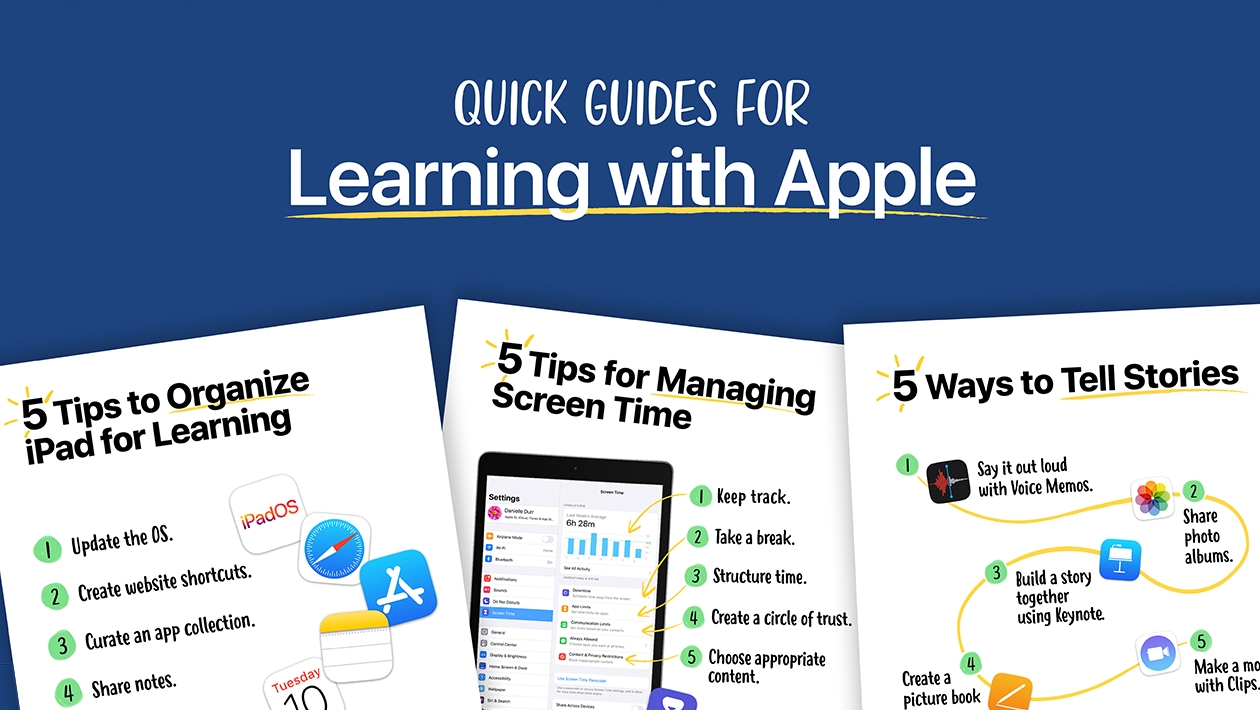
To strengthen the learning process, iPad and various Apple apps may be used from planning to reflection. Students may use Notes or Freeform to develop ideas, choose a social issue, and map out the characters, setting, conflict, and message of the play. They may also use Pages to write and revise their script, including the dialogue, stage directions, and division of scenes.
For performance planning, Keynote may be used to create a simple storyboard or sequence of scenes. This helps students visualize the beginning, middle, and ending of their play before rehearsing for the actual performance. They may also use Voice Memos to record their lines and assess their pronunciation, emotion, pacing, and clarity of speech. With the help of the iPad Camera, they can record their rehearsal and review their movements, blocking, and overall performance.

Before starting the scriptwriting process, students first went through conceptualization using what we call a Beat Sheet. In this part, students had to develop a clear concept based on the topics they discussed in Social Science, particularly in Economics. These included concepts such as scarcity, supply and demand, needs and wants, production, consumption, and other related economic issues.
From their chosen concept, students searched for news articles or real-life events connected to their topic. For example, if their topic was scarcity, they could look for news about shortages in food, water, jobs, or other basic needs. If their topic was supply and demand, they could examine news about rising prices of goods, product shortages, or changes in consumer demand.
After researching, students developed a unique and creative interpretation of the concept. They did not simply retell the news; instead, they used it as inspiration to create their own story, characters, conflict, message, and possible scenes for the play. This is where their Beat Sheet began to develop as the foundation of their future script.
In each group, students chose the best Beat Sheet based on the clarity of the concept, its meaningful connection to a social issue, and its strong potential to be adapted for the stage. The selected Beat Sheet became the basis for writing the script. From there, students wrote their script in Filipino, including dialogue, stage directions, scene divisions, and a clear message they wanted to communicate to the audience.
After creating their scripts, the whole group reviewed their work again. They chose the best script based on the clearest flow, the most effective use of the Filipino language, the most meaningful discussion of a social issue, and the strongest connection to the values discussed in CLE. The selected script was not immediately performed; it still went through a process of improvement, revision, and refinement to make it clearer, more organized, and more appropriate for the NINEtablado performance.

Accessibility in this project was reflected through inclusive participation. Since NINEtablado was a batch-wide Project-Based Learning activity, students had opportunities to contribute according to their strengths and interests. Participation was not limited to acting. Each group had students who served as directors, stage managers, stage designers, lights and sound directors, house managers, and production managers. There were also overall heads who helped manage the production for the entire batch. This structure allowed students to take meaningful roles in the project, whether they were comfortable performing on stage or more confident working behind the scenes.
NINEtablado became meaningful because students were able to use Filipino in a real and purposeful context. They did not simply answer questions about a lesson; they became writers, storytellers, actors, thinkers, and young people who care about society. Through the PBL approach, it became clearer to them that language is not just a subject, but a way to express emotions, understand the experiences of others, and deliver a message to the community.
Overall, NINEtablado: Mga Kuwentong Panlipunan shows how language, technology, creative performance, and social values can be integrated. Through iPad and Apple apps, the learning process becomes more organized, accessible, collaborative, and student-centered.








Attach up to 5 files which will be available for other members to download.