

CHEM-ANIMATE: Making the Invisible Visible

From AI-Powered Inquiry to Animated Climate Action
(A Collaboration project of the ASEF ClassNet19 ITP Team, Dr. Michael Harvey, Bibiane Blauensteiner, Kyaw Wana Lim, Cherry Mae Batayola and Johann Sievering)
What if one of the biggest threats to our oceans was happening silently beneath the surface?
This question sparked CHEM-ANIMATE: The Invisible Tide, an interdisciplinary learning project with Bibiane Blauensteiner, a partner teacher from Austria where students explored the science of ocean acidification and its growing implications for the Philippines—an archipelagic nation whose communities, fisheries, biodiversity, and livelihoods are deeply connected to the ocean.

The journey began with inquiry. Students investigated how increasing atmospheric carbon dioxide (CO₂) dissolves into seawater, changes ocean chemistry, and threatens marine ecosystems. Instead of simply searching for answers, students learned to become more effective digital researchers. Through ATHENA HUB, engineered by Johann Seivering, they practiced writing clearer, more purposeful prompts for AI-powered search and research engines. This helped them explore information across the internet, compare sources, organize their findings, and efficiently collate evidence from credible scientific references.
https://promptws.athenahub.org/


But AI was not treated as the answer. Students were challenged to question, verify, and evaluate what they discovered. They checked AI-assisted information against scientific sources and made their own decisions about which evidence could be trusted and communicated.
Then came the creative challenge: How can we make an invisible chemical process visible?
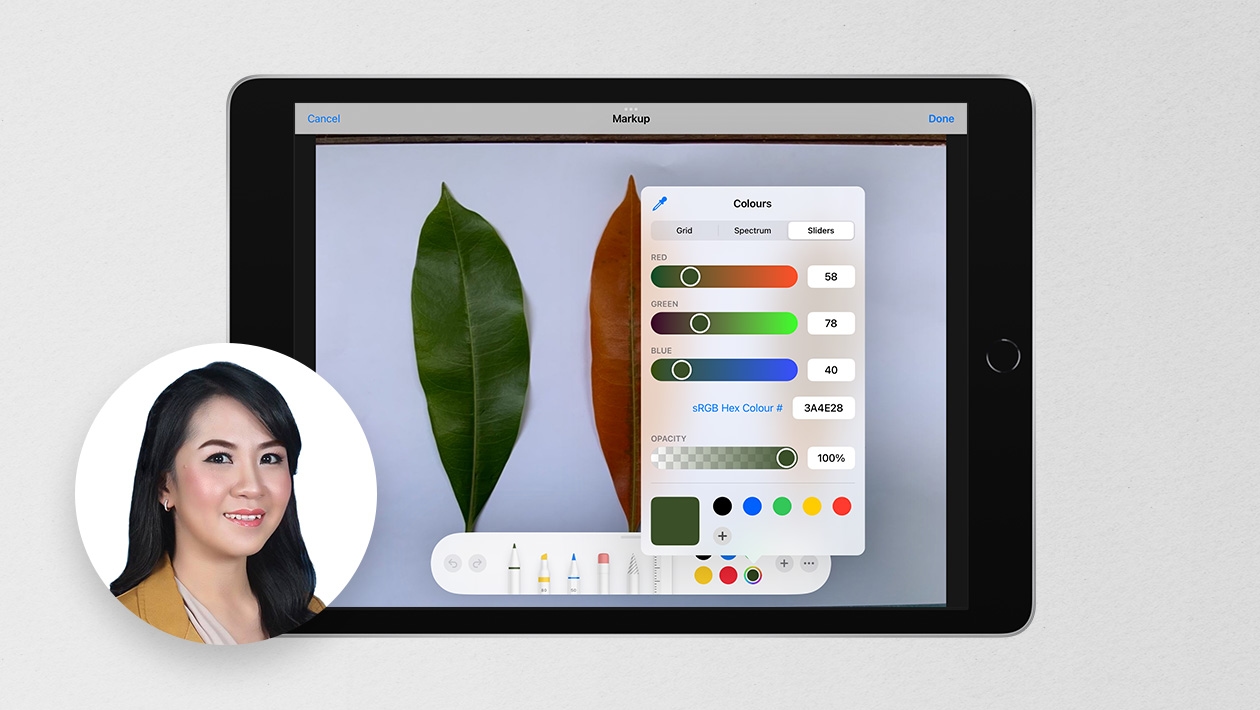
Using iPads and digital animation tools, students transformed their scientific research into visual stories. They designed characters, environments, storyboards, and animated sequences that illustrated the journey of CO₂ from the atmosphere into the ocean and its consequences for marine life. Complex chemistry became something audiences could see, understand, and remember.


Their animation became more than a classroom requirement. It became a form of science communication and environmental advocacy.
By connecting global scientific research with the Philippine context, students explored why ocean acidification matters to a country surrounded by seas. Through their animated stories, they sought to help their peers and wider communities recognize that climate change is not a distant problem—it is an issue that can affect the waters, ecosystems, food sources, and communities around us.
CHEM-ANIMATE ultimately brought together science, technology, creativity, AI literacy, and climate action. Students moved from being information consumers to becoming researchers, animators, and environmental communicators.
Through their screens, they made the invisible visible—and transformed scientific knowledge into a message for action.
As The Waves
Full Project Instruction using Design Thinking attached below on the link







Attach up to 5 files which will be available for other members to download.